






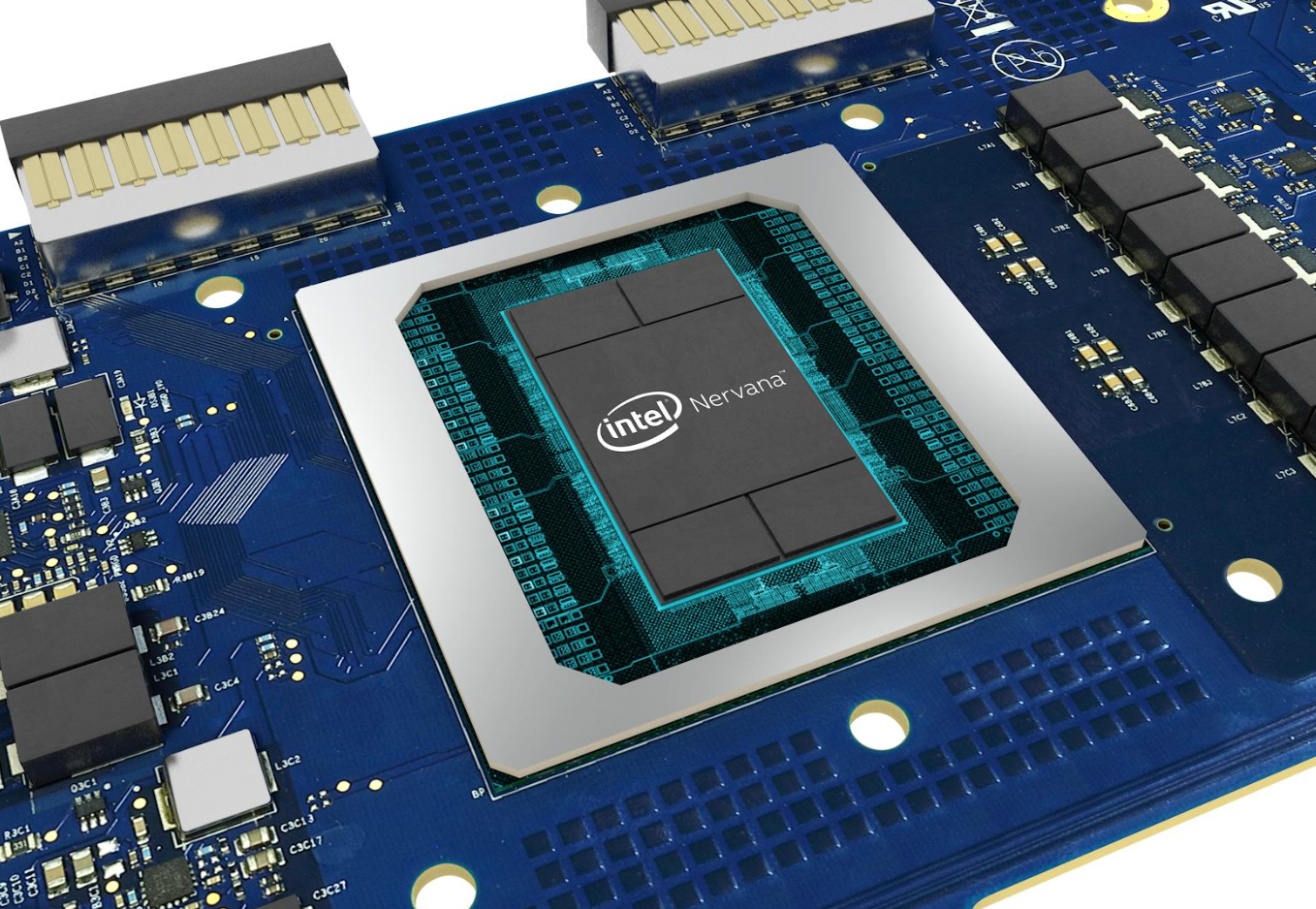
Most people rarely stop to think about what makes their devices fast, responsive, and capable of handling everything from simple browsing to complex tasks. Yet behind every click, stream, and calculation lies a layer of technology that makes it all possible. Intel has spent decades building that foundation, quietly powering billions of devices and shaping the digital experiences people rely on every day.
From a Bold Idea to a Global Tech Leader
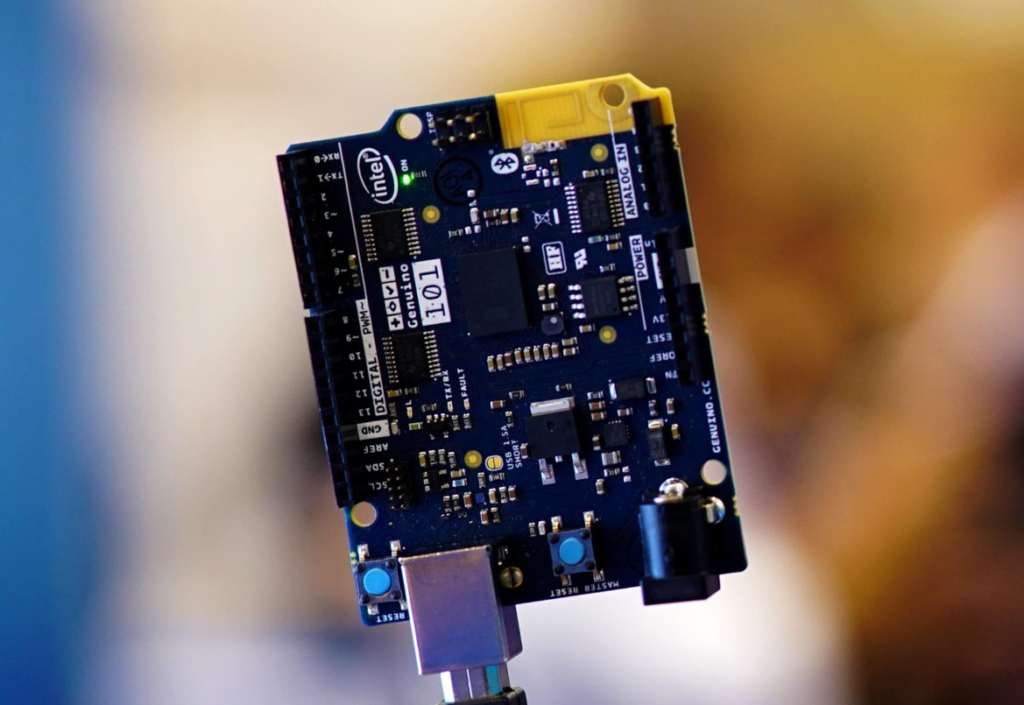
Intel was founded in 1968 with a vision to push the boundaries of semiconductor technology. What began as a company focused on memory chips quickly evolved into something far more influential. The turning point came with the development of the first commercial microprocessor, a breakthrough that changed the direction of computing forever.
This innovation made it possible to shrink computing power into smaller, more accessible devices. Instead of large, room-sized machines, computers could now fit on desks and eventually in homes. That shift did not just transform technology, it transformed how people work, communicate, and interact with the world.
Over the years, Intel continued to build on this momentum, expanding its reach and refining its technologies. It became a central figure in the rise of personal computing, helping to establish standards that still influence the industry today.
The Brain Behind Modern Devices
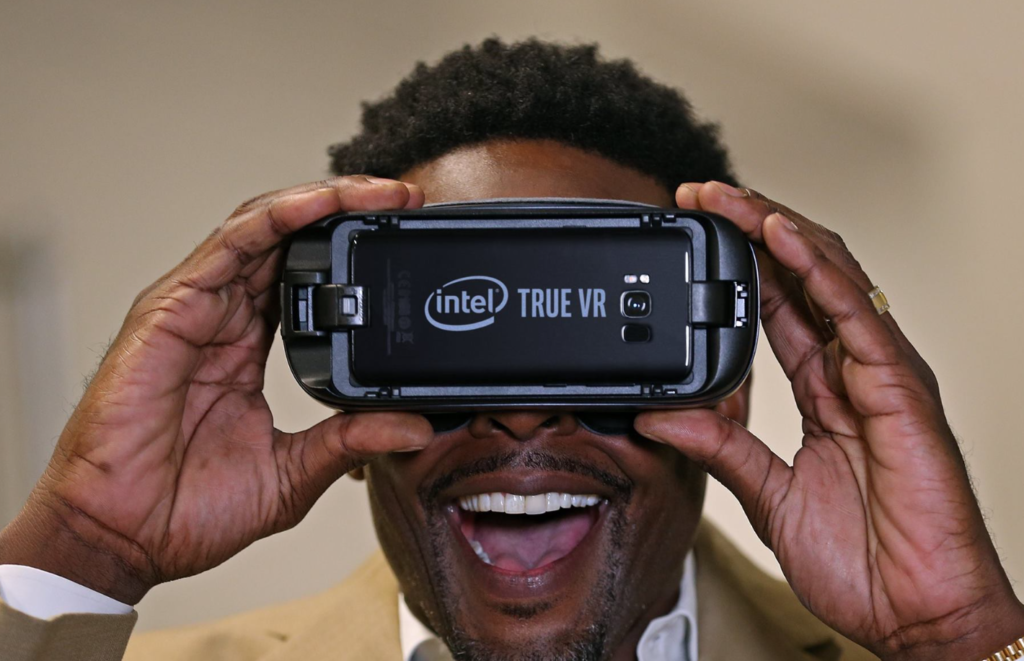
At its core, Intel creates semiconductors, the tiny yet powerful components that act as the brains of electronic devices. These chips process information, execute instructions, and enable systems to perform efficiently.
What makes this especially interesting is how universal this technology has become. Intel’s processors are found across a wide range of applications, supporting everything from everyday tasks to advanced computing environments.
- Personal computers and laptops used for work and entertainment
- Data centers that power cloud services and online platforms
- Gaming systems that require high performance and speed
- Networking infrastructure that keeps devices connected
- Embedded systems in appliances and industrial equipment
Despite their importance, these components remain largely invisible to users. They operate quietly in the background, making modern life more efficient without drawing attention to themselves.
Driving the Personal Computing Revolution
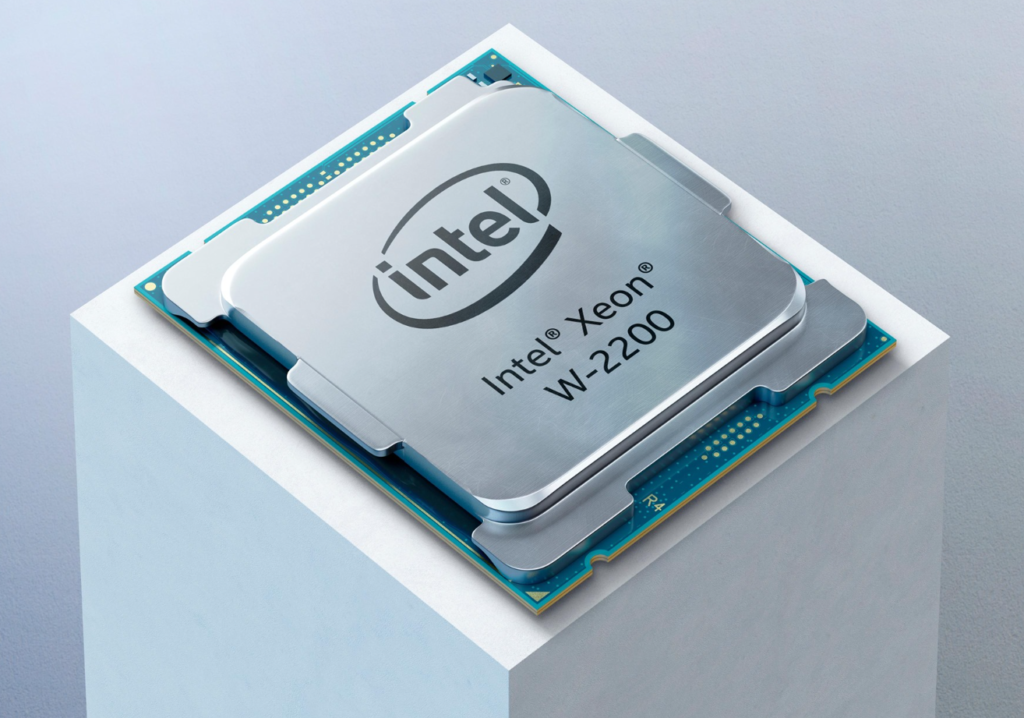
Intel played a major role in shaping the personal computer era. As computers became more common in homes and offices, the demand for reliable and powerful processors grew rapidly.
The company positioned itself at the center of this movement, providing the technology that enabled consistent performance across different systems. This helped create a more unified computing experience, making it easier for software developers and hardware manufacturers to build compatible products.
One of the most notable aspects of this period was how Intel managed to make a technical component recognizable to everyday consumers. By emphasizing the importance of what is inside a computer, the company shifted the focus from external design to internal performance.
This approach changed how people evaluated technology. Instead of simply looking at appearance or price, performance became a key factor, and Intel became closely associated with that idea.
Expanding Into a Connected and Intelligent World
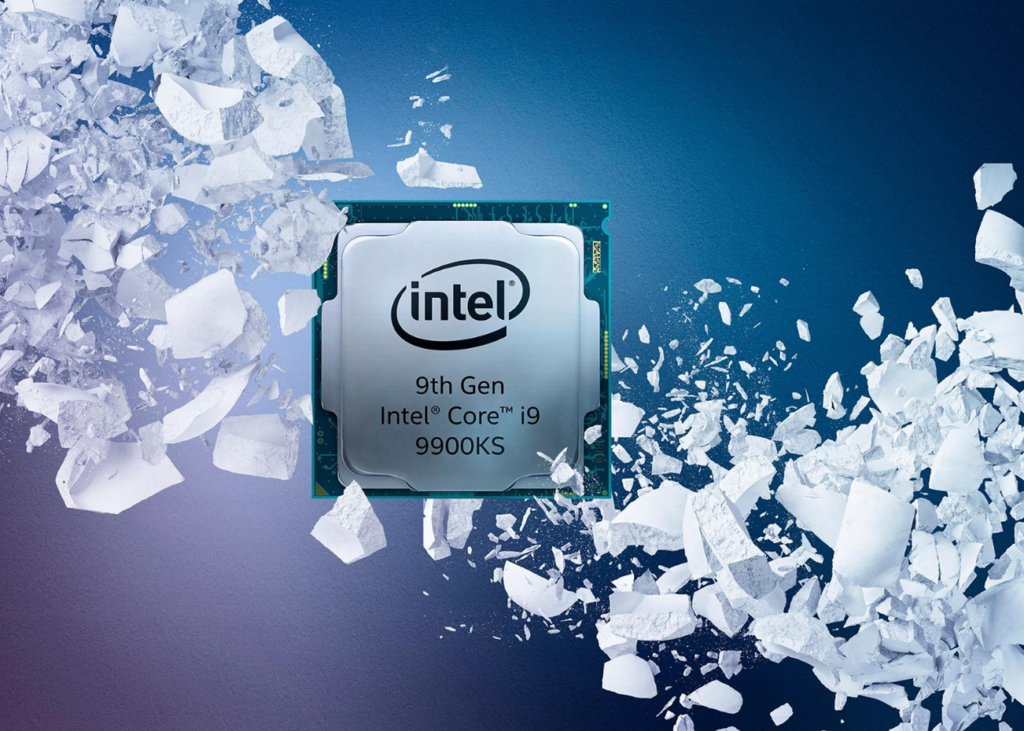
As technology evolved, so did Intel’s role. The company moved beyond traditional computing and into areas that reflect the needs of a more connected world.
Today, computing is no longer limited to desktops or laptops. It is embedded in cloud systems, smart devices, and intelligent networks that operate in real time. Intel has adapted to this shift by expanding its portfolio to include solutions for artificial intelligence, data processing, and advanced connectivity.
This expansion reflects a broader transformation in how technology is used. Data has become a central resource, and the ability to process it quickly and efficiently is more important than ever. Intel’s technologies help enable this capability, supporting systems that handle massive amounts of information every second.
The company is also involved in emerging fields such as autonomous driving and edge computing, where decisions need to be made instantly and reliably. These areas represent the next phase of technological development, and Intel continues to position itself as a key contributor.
Innovation as a Continuous Process
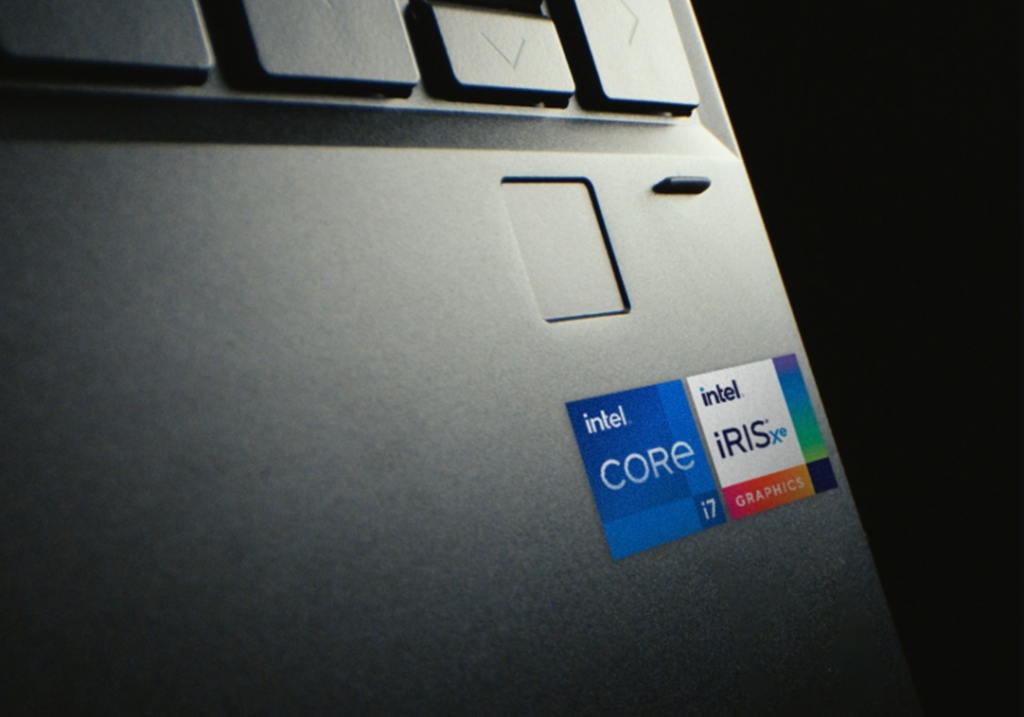
One of the defining characteristics of Intel is its commitment to innovation. The company invests heavily in research and development, constantly exploring new ways to improve performance and efficiency.
This includes advancements in chip design, manufacturing processes, and energy optimization. As devices become more powerful, there is also a growing need to make them more efficient, ensuring that performance does not come at the cost of sustainability.
At the same time, the competitive landscape has become more dynamic. New players and technologies are constantly emerging, challenging established approaches and pushing the industry forward.
Intel’s ability to adapt to these changes is part of what has allowed it to remain relevant for so long. Rather than relying solely on past success, the company continues to evolve, refining its strategies and exploring new opportunities.
Why Intel Continues to Matter
Intel’s influence extends far beyond individual devices. It plays a foundational role in the broader technology ecosystem, supporting industries and experiences that people rely on every day.
- Long history of innovation helped shape modern computing
- Microprocessors enable billions of devices worldwide
- Strong presence in both consumer and enterprise markets
- Continuous research drives performance and efficiency improvements
- Expansion into AI and data solutions reflects modern needs
Intel may not always be visible, but its impact is everywhere. From the earliest days of computing to today’s advanced digital systems, the company has played a central role in making technology faster, smarter, and more accessible.
It represents the underlying layer that supports modern life, the part that ensures everything works as expected. Whether it is powering a laptop, supporting a global network, or enabling new forms of innovation, Intel continues to shape the way people experience the digital world.














Leave a Reply